
Getting a diagnosis
Tethered cord syndrome isn’t always a straightforward diagnosis as some other conditions are very similar in presentation and sometimes the symptoms are not easy to recognise. Both my own dogs presented very differently and you can read about their journeys to diagnosis on the ‘our stories’ page.
At the present moment in time not all vets are aware of the condition and some even say it doesn’t exist (despite it being added to the Merck Veterinary Manual) which does not help when an owner with less knowledge is trying to get to the bottom of their dog’s pain. Lots has been learned about the condition in the last year though so hopefully in time it will be quicker and easier for dogs to get a diagnosis.
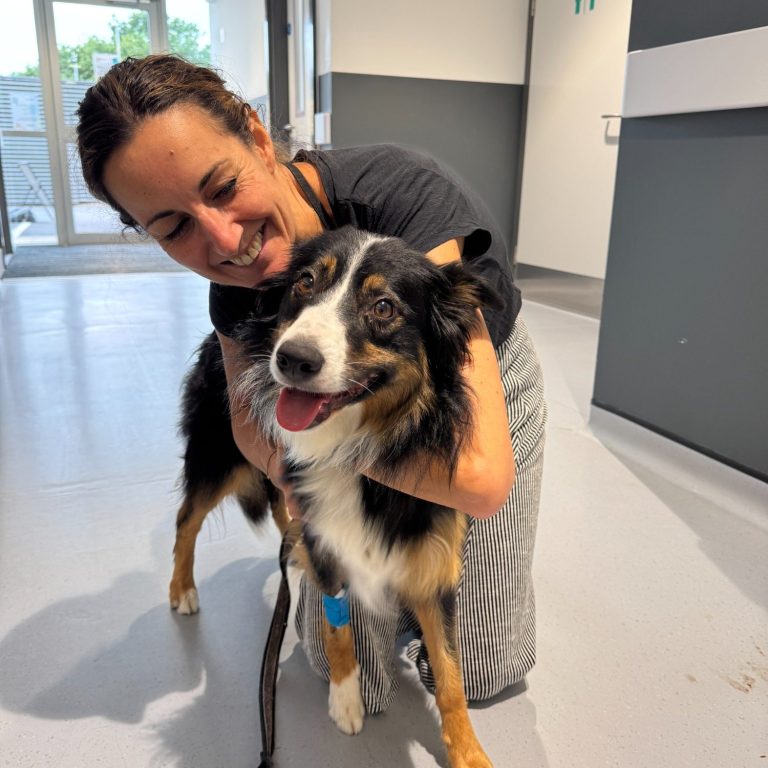
Here we will talk about the clinical signs and how you can help vets by collecting data to give them as much a chance as possible to come to a diagnosis.
Clinical Signs
TCS could be secondary to many causes , this is why we call it “syndrome”. However, it commonly presents from a very young age. The classic triad is lumbosacral neuropatic pain, gait changes, and bladder or bowel dysfunction — but not all three need to be present. Be aware these signs can be subtle or challenging to differentiate from abnormal behaviour.
These signs can have many causes, and some dogs with tethered cord syndrome show only a few of them. Please use this list to help your conversations with your vet, not to diagnose your dog yourself.
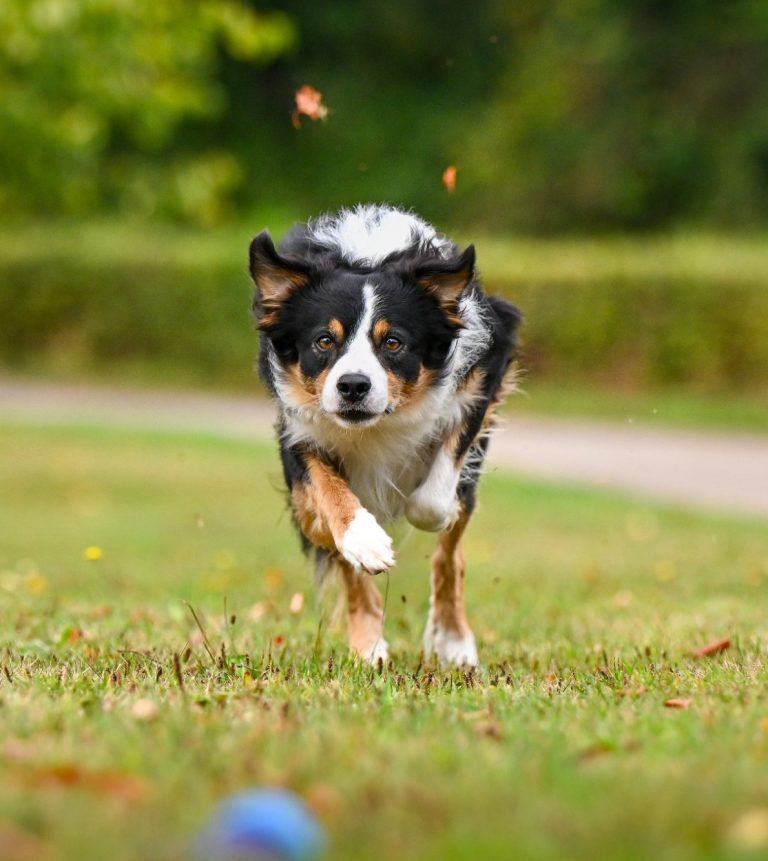
Key signs to look for:
- Allodynia over the caudal back — a specific “no-touch zone” the dog cannot be trained past
- Paresthesia-related behaviours: biting, licking or chewing at the flanks, hindquarters, tail or groin
- Spontaneous skin rippling (cutaneous trunci spasms) without tactile stimulation
- Involuntary hindlimb kicks, especially at rest
- Bunny-hopping gait or subtle hindlimb weakness
- Urinary incontinence, recurrent UTIs, or defecatory abnormalities, abnormal positions
- Behavioural changes: exaggerated noise sensitivity, inability to settle, compulsive behaviours, poor stress resilience
- Failure to respond to NSAIDs —positive but incomplete response to gabapentine/pregabaline
This list is shared with permission from www.neuronavet.com
Steps to diagnosis
Your first steps will be to see your GP vet.
You may then need a referral to a neurologist. I would make sure at this stage you see a neurologist who has experience with tethered cord.
Sometimes you may also need to see either internal medicine vets and or orthopaedic specialists to rule out other similar conditions. Part of the diagnosis is also a process of elimination of other similar conditions.
Most dogs are started with medical management which also gives helpful information towards the diagnosis. They may then be advised to have a dynamic MRI.
Keeping a diary

Because it is usually a range of symptoms that are not necessarily present all of the time, keeping a diary and or log can be really helpful. Putting photos and videos into a Google Drive file to then share with your vet can also be super helpful. Here are some suggestions of what to include.
Photos or videos of:
- Toileting posture
- Gait in all paces from the front, back and sides in both walk and trot
- Gait while on a small circle
- Walking up and down steps
- Abnormal responses to touch despite training
- Photos of posture in a stand, sit and down
- Chewing or nibbling of the body
- Tail chasing
Notes on:
- Timeline of behaviours and signs
- Changes in behaviour
- Frequency of behaviours
- Frequency of toileting
If in doubt it is worth including just in case
Similar conditions
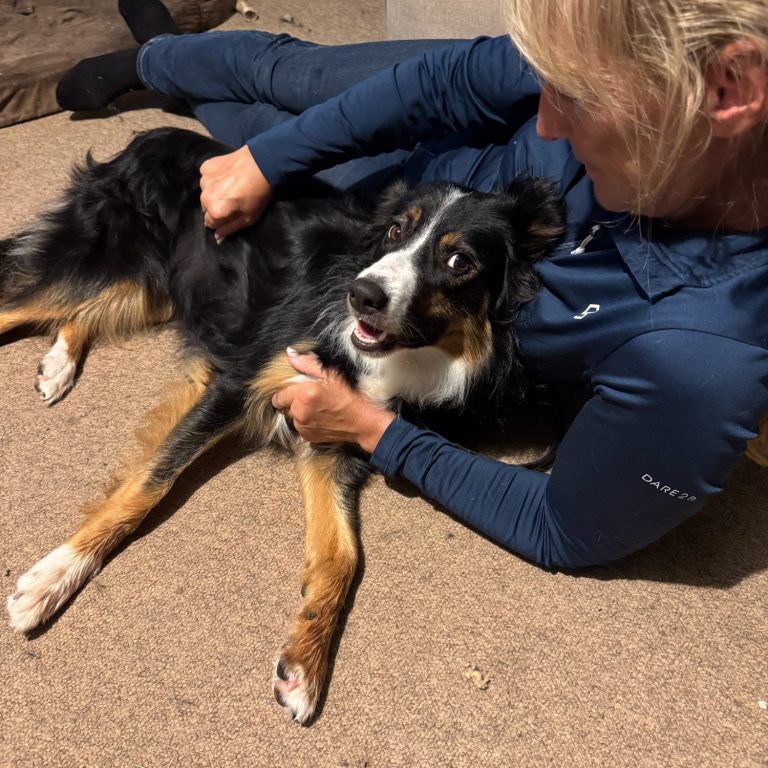
You may need to rule out other conditions as part of the diagnosis.
Tethered cord can for example, look similar to lumbar sacral issues.
Sacral dimples can be found in cases of Spina Bifida
More common conditions such as hip dysplasia and patella or cruciate issues may also need to be ruled out. But just because one of these issues is found also doesn’t mean the dog doesn’t have TCS as well.
In humans tethered cord is also linked with Chiari Malformation, Ehlers Danlos Syndrome, Syringomyelia, spinal deformities.